How artists are responding to war
Today, we are living through a period where conflict isn’t just a headline, it is a reality for artists in Gaza, Ukraine, Sudan, and the escalating tensions in Iran. While our blog usually focuses on the world of contemporary painting, this article looks a little wider than usual. In times of war, the boundaries between media often blur. We will look at how traditional painters, muralists, and digital creators have spent 2025 and 2026 using their work to capture feelings that no camera can see.
Painting as documentation
When traditional journalism is restricted, art becomes a “parallel archive.” For many painters living through the conflicts of 2025 and 2026, the goal isn’t just to make something beautiful, but to prove that they and their culture still exist.
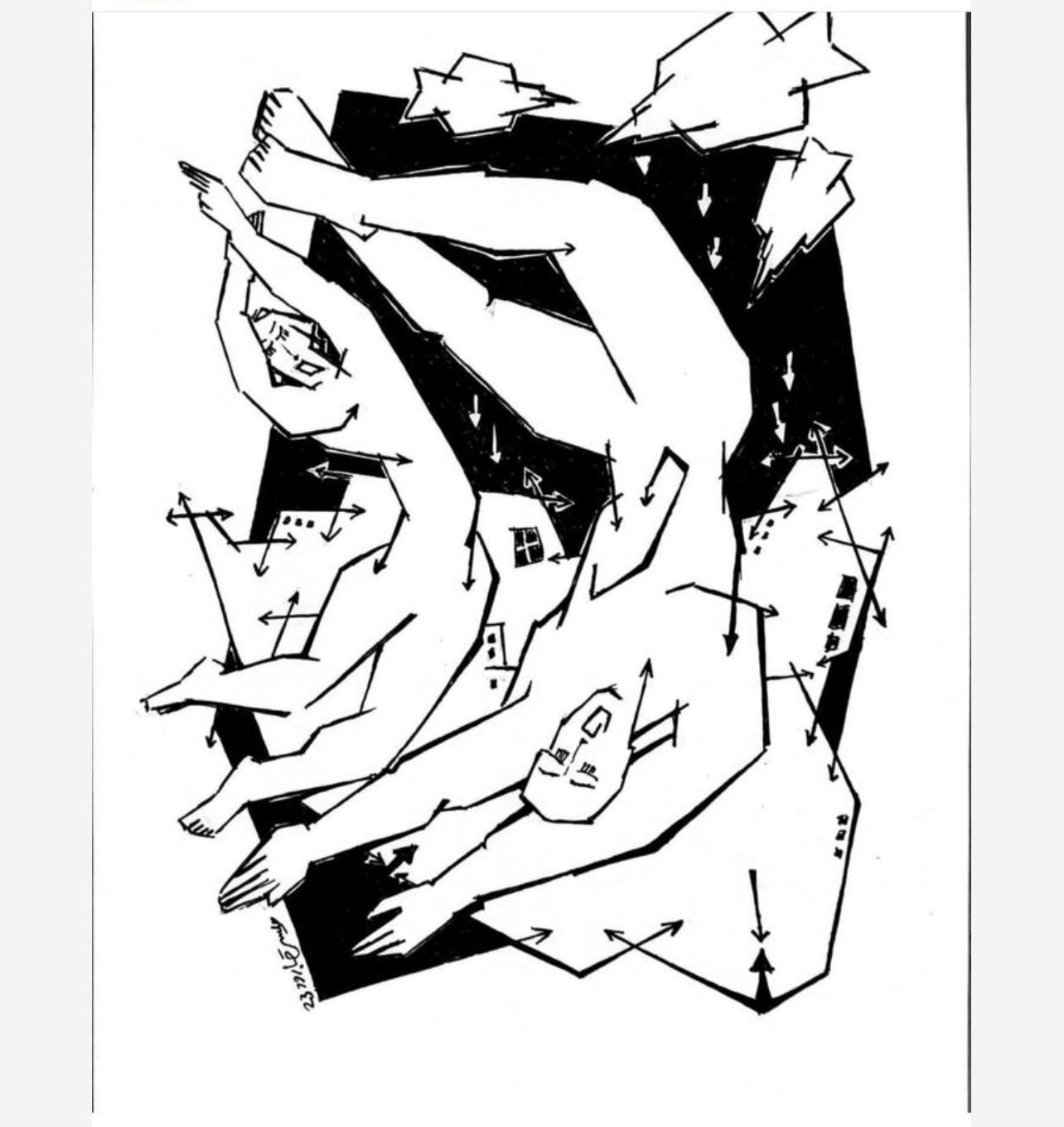
In Gaza, where museums and libraries have faced destruction, painting is a literal testament to life. Artist Maisara Baroud has been producing a series of daily ink sketches titled “Still Alive,” creating a continuous record of the reality of war. Because it is often impossible to ship physical canvases out of conflict zones, these works travel the world as digital prints, allowing the artist’s “witness” to reach galleries in London and the USA.
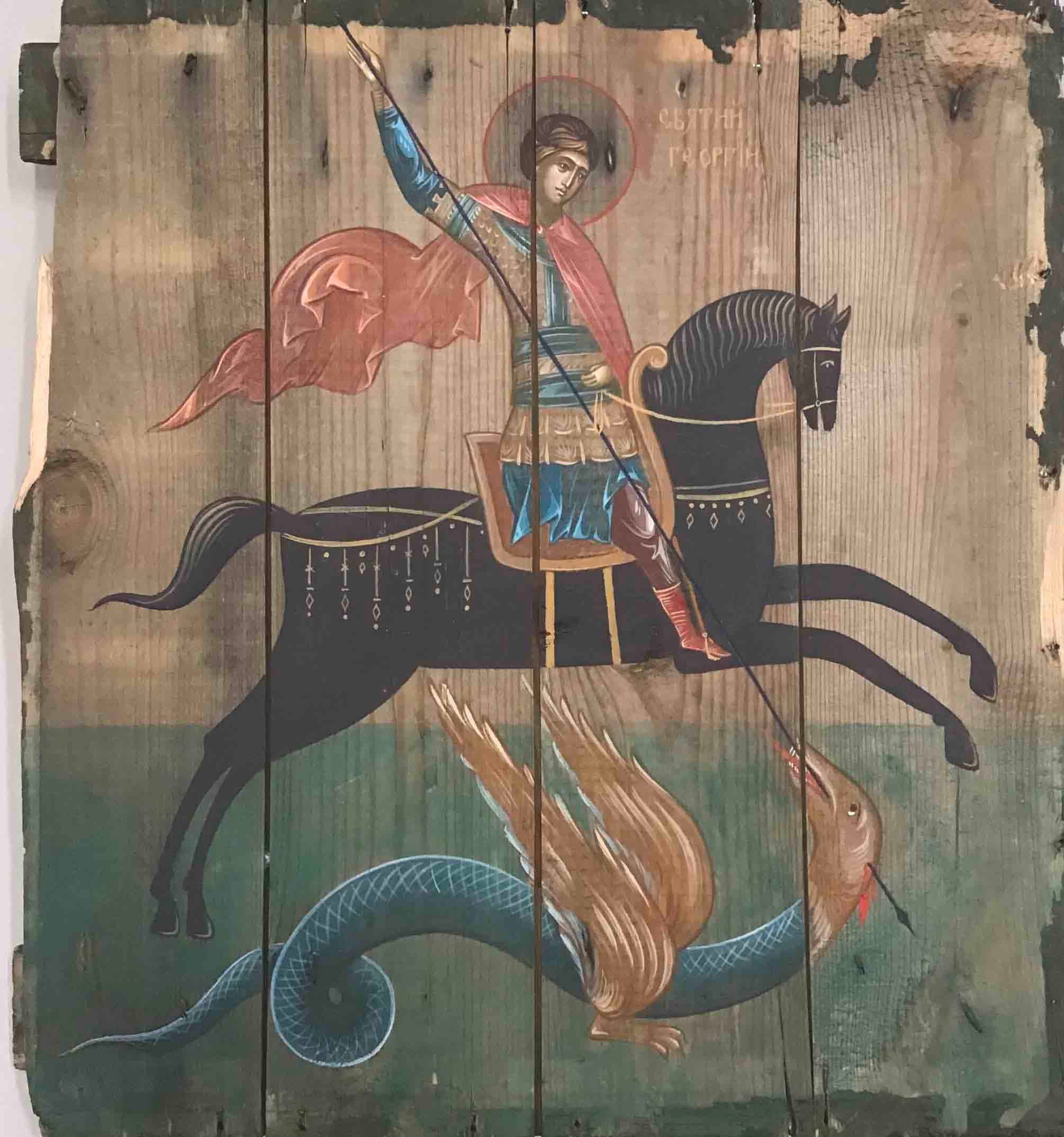
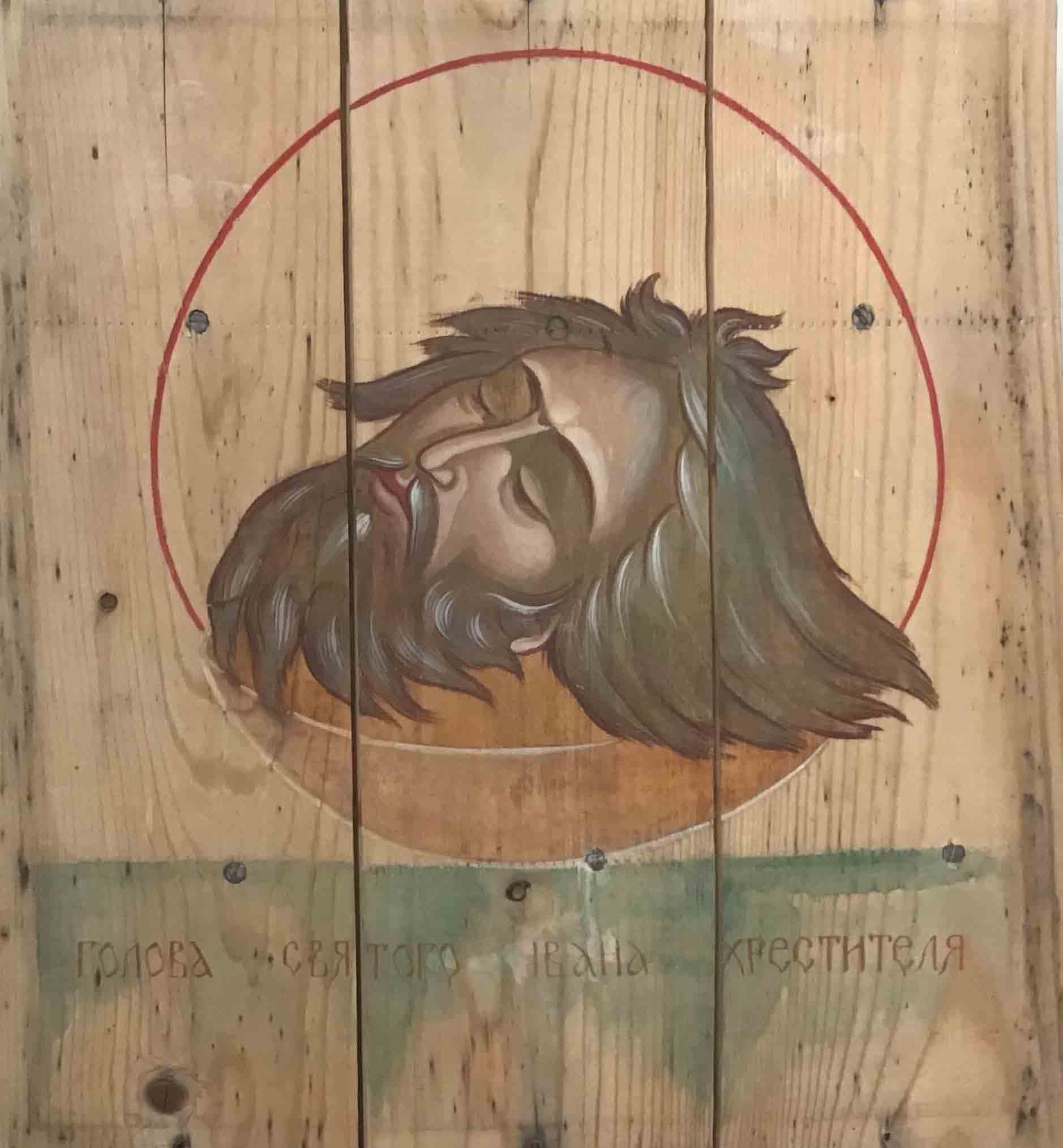
In Ukraine, artists have spent the last few years turning the debris of war into sacred objects. Oleksandr Klymenko and Sofia Atlantova have gained international attention for painting traditional religious icons on wooden ammunition boxes collected from the battlefield. By applying a nation’s Orthodox heritage to the literal tools of destruction, they create a record of resilience that spans from the early days of the invasion into 2026.
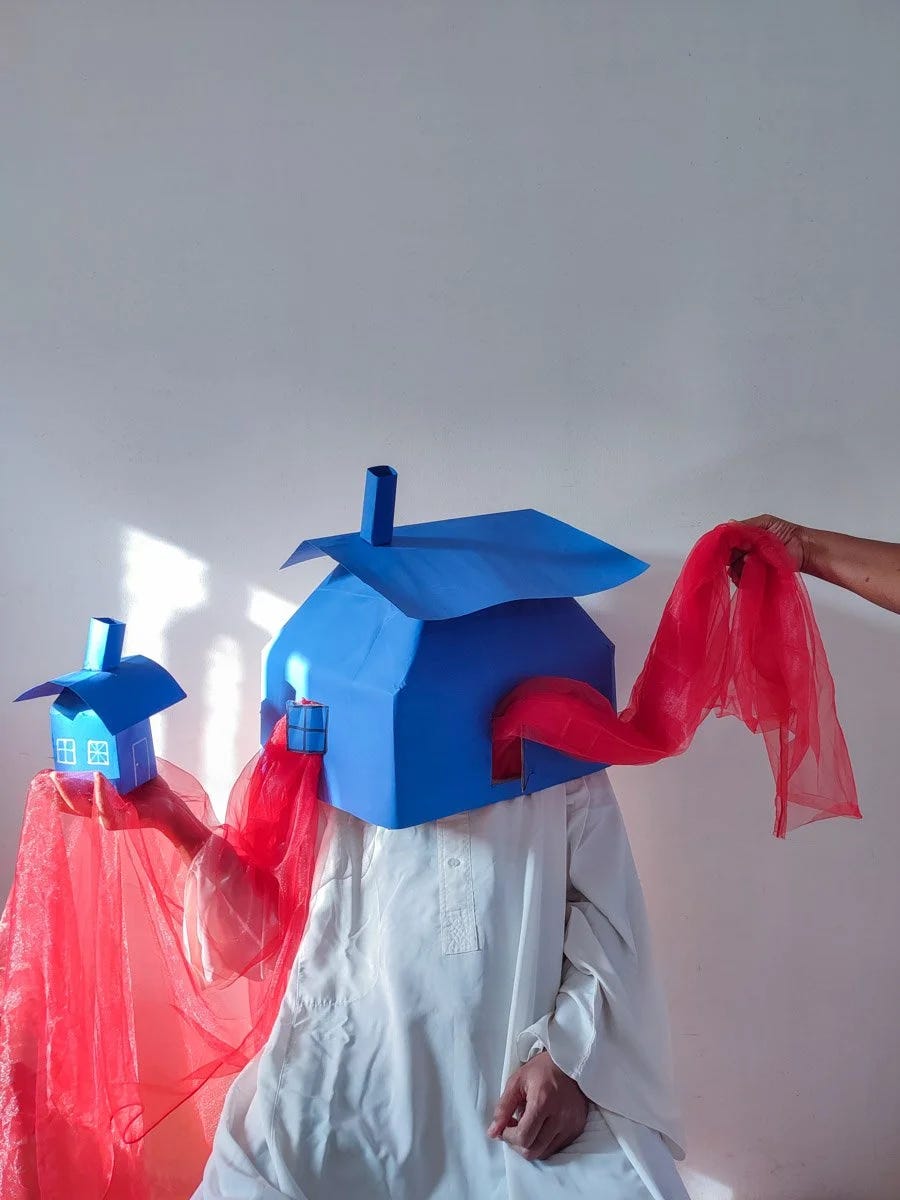
In Sudan, where conflict has caused a massive displacement crisis, artists are documenting the "unseen" side of war, the feeling of being in exile. Visual artist Hashim Nasr, who originally trained as a dentist, has become a leading voice in this movement. Based in Alexandria after fleeing the war in 2023, Nasr uses dreamlike imagery and symbolic props to tell the story of his homeland. He is particularly known for his use of flowing red fabric, which he uses as a motif to represent blood, loss, and the "heavy weight" of speaking up for a neglected crisis. In his 2025 work Breaking News, red fabric flows out of a television screen toward people in a living room, symbolizing the trauma of watching one’s home be destroyed from a position of safe, yet agonizing, exile.
Art as resistance and protest
Visual protest in 2026 isn’t always about slogans; it’s about using symbols to challenge the narrative of war. We are seeing a rise in “war paintings contemporary” style works that use metaphor to speak about power and freedom.
In Iran, where direct protest can be incredibly dangerous, artists have developed a “Third Space” of resistance. This involves using coded imagery that can bypass censorship. For example, during the protests of late 2025, digital artists created images of lone, faceless shadows facing special forces, a visual nod to the “Tank Man” of history that could be shared online despite internet blackouts.
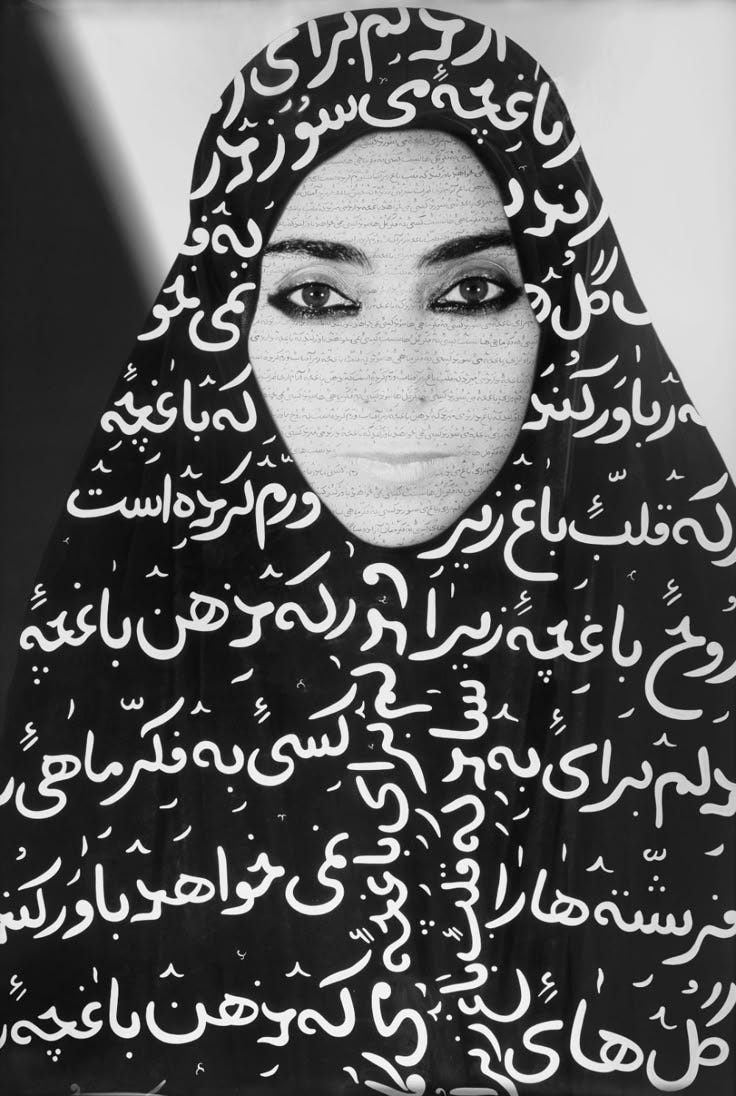
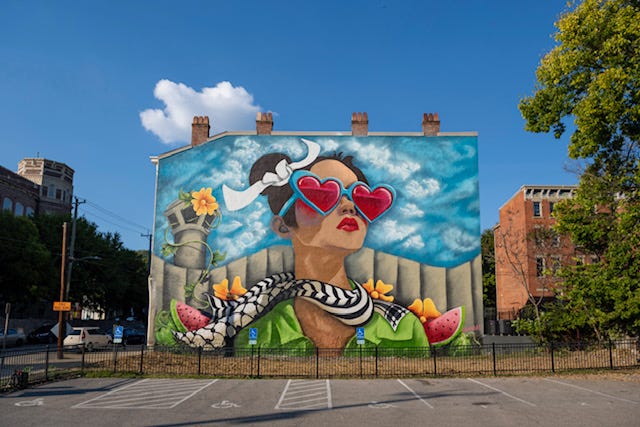
In the USA and UK, diaspora artists are bringing these protests to the streets. In Brooklyn, artist Phil Buehler created the “Wall of Tears,” a 15-meter-long installation documenting the names of over 18,000 children killed in Gaza. Similarly, Palestinian-American muralist Jason Al Ghussein uses massive 50-foot murals of oranges and watermelons to assert his heritage and process the “mourning” of his community. These symbols, like the olive branch or the wheat motif in Ukrainian art, act as a silent language of protest that collectors and viewers everywhere are starting to recognize.
Painting as emotional survival
For the person holding the brush, art is often the only way to process the trauma of the last two years. This “painting as survival” is the emotional center of the current global art movement.
Many artists have moved away from depicting active combat and instead focus on “quiet domestic scenes” to find a sense of peace. For example, Ukrainian painter Anna Moskvitina has used watercolors to capture moments of comfort, like a child with a pet, to preserve a sense of identity amidst the turbulence. In Iran, digital creators like Forouzan Safari envision a freer future by painting women doing simple things they aren’t allowed to do - like riding bikes or dancing in public spaces.
This emotional survival also extends to children. Digital exhibitions of drawings from kids in bomb shelters in Ukraine and Gaza show how the youngest victims use color and paper to process “unimaginable atrocities”. These works aren’t just art; they are tools for healing and protecting a person’s inner world when their outer world is falling apart.
The market and the ethics of war art
As an emerging artist, you might wonder how the market handles work created during such a difficult time. In 2025 and 2026, there has been a growing debate about the ethics of collecting “war art.”
While many collectors in the UK and USA want to support artists in conflict zones, there is a risk of “trauma marketing” or exploitation. To combat this, international groups have started encouraging a “Code of Conduct” for collectors. This includes paying artists fairly and promptly, and recognizing them as the “moral authors” of their history.
Ethical collecting can be a powerful way to provide direct financial support to an artist who may have lost their studio or tools. When a collector buys a fabric collage from a Sudanese artist or a digital print from a Gazan painter, they aren’t just buying an object, they are helping that artist continue to survive and create. Understanding this balance is key for any artist who documents sensitive themes in their own work.
Why this matters for artists everywhere
You might feel a long way from a conflict zone, but these global trends reshape aesthetics for painters everywhere. The use of “found materials” because of scarcity in Sudan or the “coded metaphors” used in Iran eventually influence the styles we see in London and New York galleries.
Furthermore, the current market is placing a higher value on art that feels “authentic” and carries a deep narrative. Collectors are moving away from generic pieces and toward works that document a specific time and feeling. Understanding how to communicate the value of your own “narrative” as an artist is the best way to position yourself in today’s world.
If your work documents your time, understanding its value matters.
Art as cultural memory
Wars are temporary, but the art that comes out of them is permanent. As we look at the work created between 2024 and 2026, we see that paintings, murals, and digital works are becoming our shared “cultural memory.” They ensure that the human stories behind the headlines are never forgotten.
For the painter, the act of picking up a brush during a crisis is an act of hope. It is a way to say that even in the dark, there is still a need for color, for truth, and for expression. Art preserves the soul of a people, and knowing the value of that preservation is the first step in honoring the history we are all living through.
Reflecting on the intersection of art and conflict is a heavy undertaking, and we appreciate you joining us for this exploration. Until next time...thank you for taking the time to read this article.
Made with love by artists, for artists 🫶🏼
Stay connected with us on Instagram for more artist stories and updates!
Stay connected by subscribing to our newsletter and visiting our platform.
References
A New Exhibition in London Highlights the Effects of Conflict on Palestinian Culture
Ukrainian Art as Protest and Resilience: An Introduction
Gaza Biennale, featuring works by artists from the war-torn strip, will come to New York City
How Palestinian artists carry the New Visions spirit of resilience
A New Mural Paints Hope for Families in Gaza