What traditional art styles are trending in the UK?
Something is happening in the UK art market that the numbers did not predict and the algorithm did not generate. After a decade of minimalism, digital polish, and conceptual distance, collectors are turning back toward work that is visibly, undeniably made by human hands. Traditional art styles - figurative painting, landscape, portraiture, naïve art - are not just surviving in 2026. Several of them are accelerating.
This is not nostalgia. It is a direct market response to the rise of AI-generated imagery. When infinite visual output becomes available at the cost of a text prompt, the work that commands a premium is the work that cannot be replicated - the painting that carries the evidence of real time, real effort, and a specific human perspective.
For emerging painters working in traditional styles, this shift represents a genuine commercial opportunity. But capturing it requires understanding which styles are gaining momentum, which exhibitions are anchoring collector taste, and what the data actually says about where the UK market is heading.
Figurative painting: the dominant force
The UK market’s shift toward narrative-heavy, figurative work has been confirmed by the institutional programming anchoring 2026’s aesthetic direction. Tate Britain’s major solo show for Hurvin Anderson - featuring over 60 vibrant paintings exploring the Jamaican-British diaspora - is the clearest signal of where institutional taste is pointing. Anderson’s work is figurative in the deepest sense: bodies in water, swimmers in public pools, the negotiation of identity through the most ordinary of spaces. It is painting that earns its complexity through representation, not abstraction.
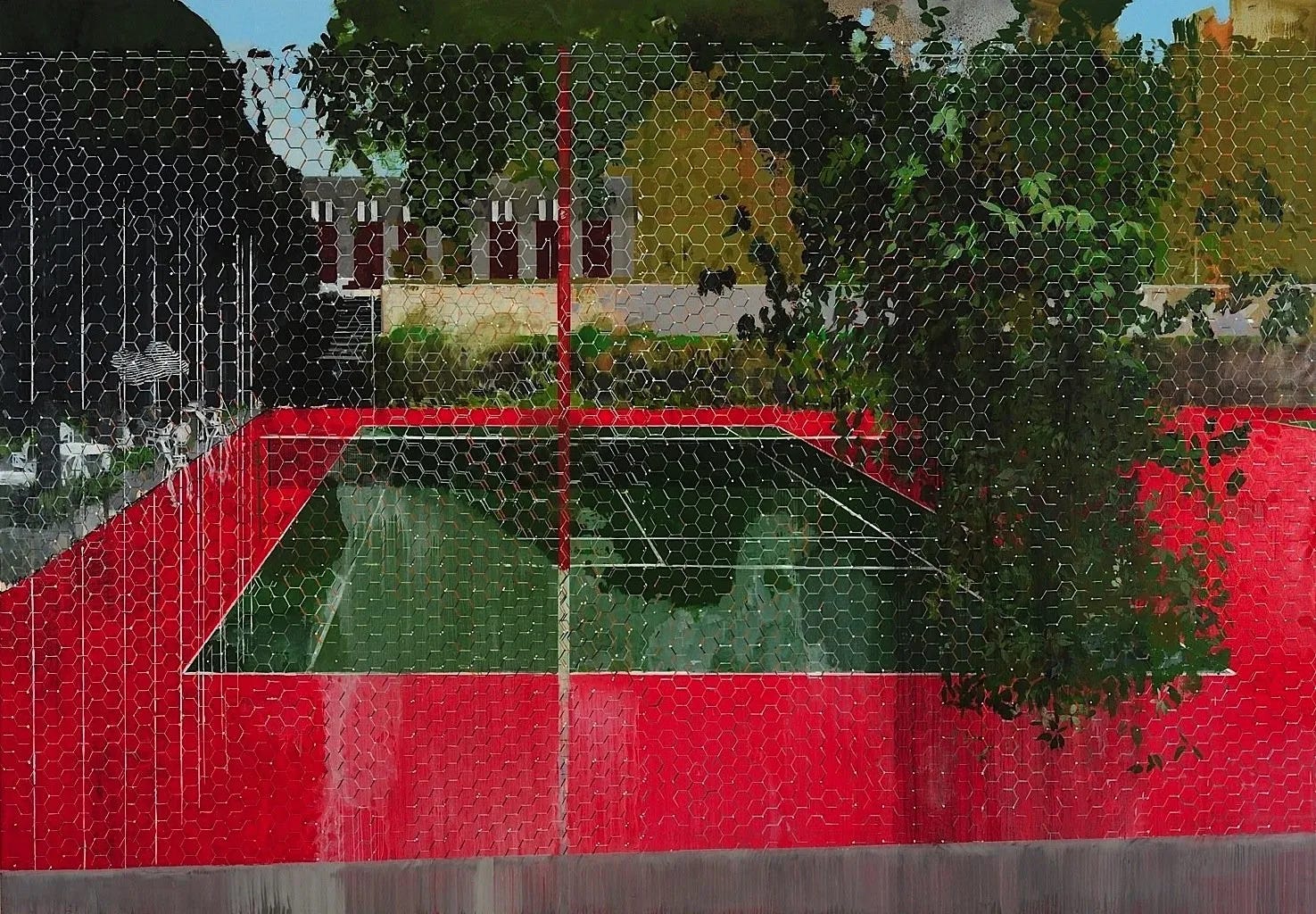
The market for contemporary figurative painting grew 41% in 2025, according to Artsy’s annual report. That figure is significant precisely because it runs counter to the broader market contraction. While global art sales softened in 2024, figurative painting moved in the opposite direction.
A specific sub-movement is gaining particular momentum in British painting: what Maddox Gallery’s 2026 forecast calls “Political Realism” - work that focuses on social reality, depicting people of all social classes in situations that reflect modern crises. This is figurative painting with a point of view, and UK collectors are buying it. Catherine Opie’s To Be Seen at the National Portrait Gallery - exploring identity and power structures - sits at the centre of this current.
For emerging artists working in figurative styles, the critical distinction is specificity. The figurative work selling in 2026 is not generic portraiture. Portraiture is shifting in response to the psychological effects of a filtered, self-edited world. Rather than pursuing likeness, artists are distorting the figure to reveal the instability of contemporary identity. The faces that sell are not the faces that simply record - they are the faces that reveal.
Landscape: slower, deeper, more deliberate
Landscape has never disappeared from the UK market - it is structurally embedded in British collecting culture in a way that has no equivalent in France, Germany, or the US. But in 2026, the kind of landscape that is gaining ground has changed.
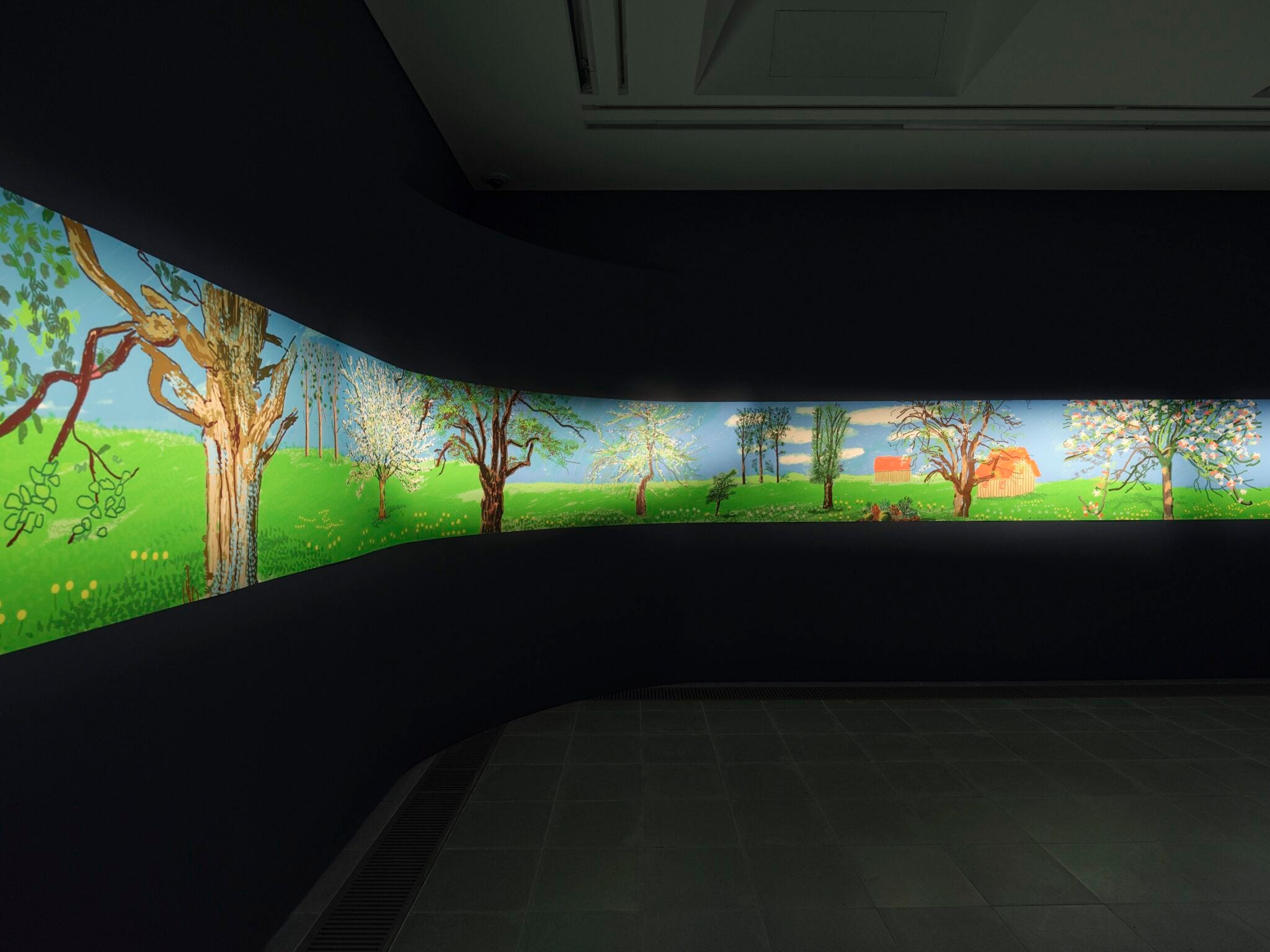
The Serpentine North Gallery’s David Hockney exhibition - featuring his ninety-metre-long frieze A Year in Normandie - exemplifies the market’s current fascination with “slow looking” and the celebration of traditional landscape traditions. Hockney’s work, made over a full year of observing the same landscape across all four seasons, is the antithesis of instant digital production. Its commercial and critical success in 2026 sends a clear message about what collectors want from landscape painting: time, attention, and fidelity to a specific place.
Vanessa Bell and Duncan Grant of the Bloomsbury Group will be the subject of a Tate Britain exhibition in the autumn of 2026, while Barbara Hepworth’s work - focusing on her use of colour - is currently exhibited at The Courtauld Gallery. Both confirm the market’s sustained interest in traditional British landscape and interior traditions.
The landscape style gaining the most ground is what the market is calling “atmospheric” painting - work defined by haze, granular texture, and diffused silhouettes that create space rather than clarity, inviting viewers to complete the image through memory and association. Collectors value this approach for its emotional presence and its quiet capacity to shape a room without overwhelming it.
This is directly actionable for emerging landscape painters. The landscape that sells in the current UK market is not the photorealistic countryside record. It is the painting that makes the viewer feel something about a place - that captures mood, atmosphere, and the particular quality of British light - rather than the painting that merely documents it.
Naïve painting and the intentional hand
One of the clearest signals in the 2026 UK market is the commercial rehabilitation of naïve painting - work that is deliberately unpolished, raw, and instinctive.
What once appeared unrefined - loose lines, awkward proportions, deceptively simple marks - is now recognised for what it is: an intentional rejection of polish in favour of instinct and immediacy. Collectors are responding to its honesty. In an environment saturated with machine-generated imagery, work by artists such as David Shrigley, Rose Wylie, and Stik carries an emotional directness that feels increasingly rare.
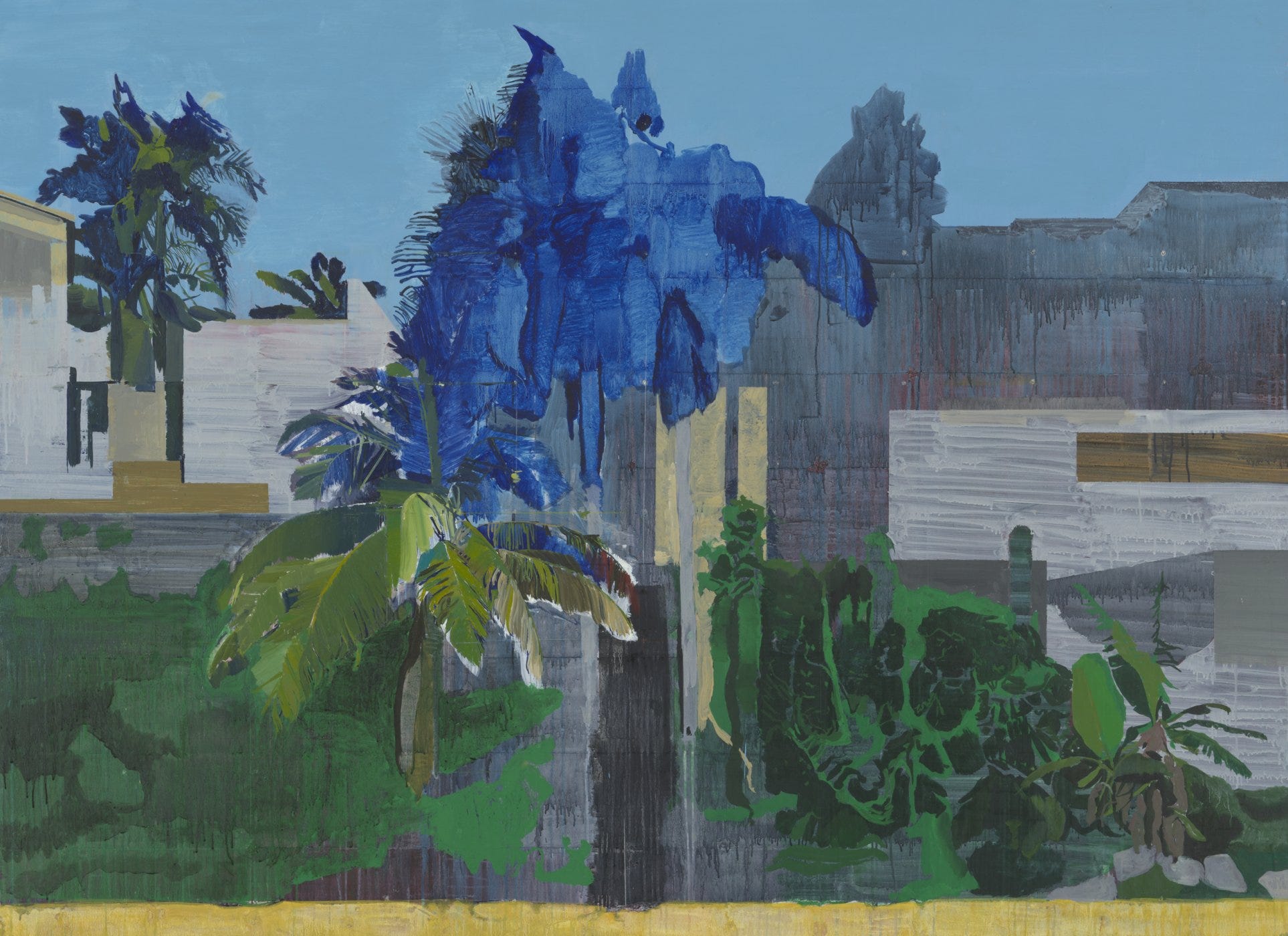
Gary Bunt, who died in the summer of 2025, painted naïve English countryside and suburban scenes often featuring an old man and his faithful dog. His work will be shown at the Stanley Spencer Gallery in 2026 and is expected to see increased collector interest - a quiet, posthumous vindication of a style that was never fashionable but was always genuine.
The naïve painting category is particularly significant for emerging artists because it is one of the few styles where institutional inexperience is not a disadvantage. The mark itself is the credential. In a world full of AI imagery, collectors increasingly want art that is visibly human-made - and naïve painting makes that visibility its entire proposition.
The Baroque revival and the return of richness
A Baroque and medieval revival is bringing jewel tones, velvet textures, ornate gold frames, and richly layered surfaces back into contemporary spaces across the UK. Framing is returning as an essential design element rather than an afterthought. Minimalism is no longer the dominant visual language, and softer, more romantic aesthetics are taking its place.
This is visible in the UK market specifically through the renewed interest in Old Master-adjacent painting techniques - impasto layering, chiaroscuro lighting, and the kind of surface richness that takes months to achieve. Collectors find comfort and meaning in pieces that reflect time, labour, and intention.
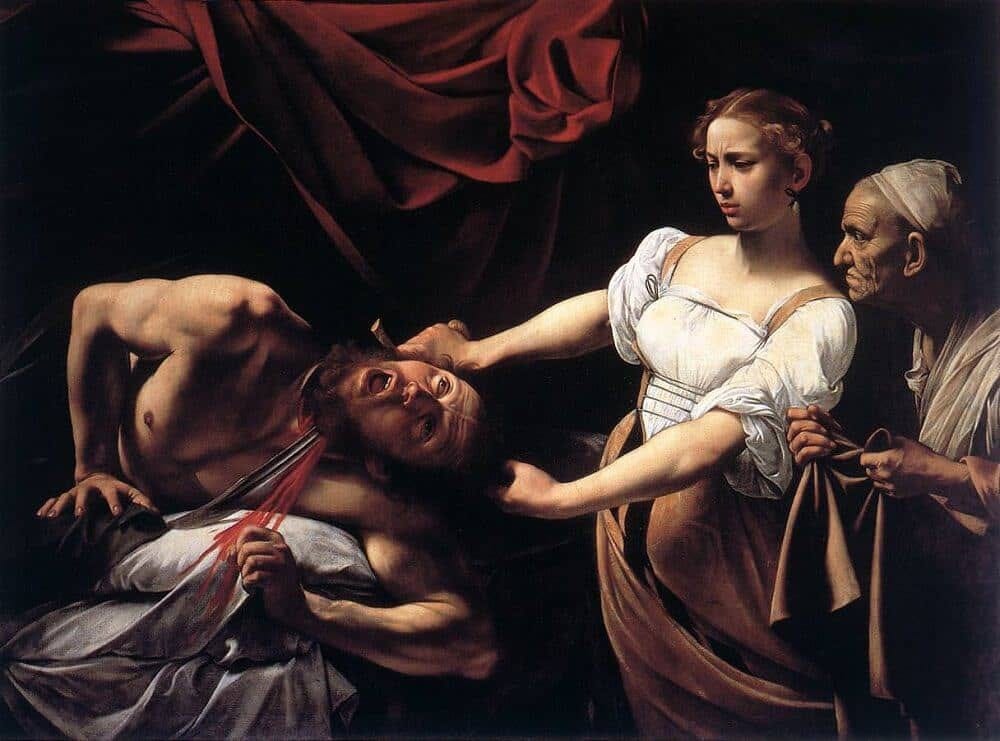
For UK painters working in oil - particularly those who have trained in traditional techniques - this is a commercial tailwind that rewards existing skill rather than requiring a pivot. The market is coming toward the old methods, not away from them.
Are you painting in one of these styles and wondering what your work is worth in the current market? Our AI valuation compares your painting against real recent sales in your medium and style.
What is not trending - and what that means
Honesty requires addressing the counterpoint. As of 2026, traditional figurative painting and landscapes - when generic - are less fashionable and often discounted. The distinction is between traditional styles that are deliberately and specifically executed - with a clear point of view and a human quality that declares itself - and traditional styles produced without that quality.
The UK collector in 2026 is not buying a landscape because it is a landscape. They are buying it because it is this landscape, by this painter, at this level of attention.
Collectors, especially those building their first serious collections, are investing directly in emerging artists whose work resonates emotionally first, even if the artist does not yet have institutional validation. The gatekeeping that used to require gallery representation before a collector would look at your work is diminishing. What replaces it is a demand for emotional authenticity - a quality that cannot be faked and cannot be prompted.
The regional picture
One of the most significant shifts in the 2026 UK art market is the growth and professionalisation of regional creative centres. Cities like Manchester and Bristol are leveraging local talent to create sustainable ecosystems that are less susceptible to the volatility of the global blue-chip market.
Bristol’s inclusion in Lonely Planet’s 2026 Best in Travel list highlights its status as an international art destination, with the Upfest Gallery providing rotating exhibitions of urban art alongside the Royal West of England Academy’s major programming. Glasgow, despite the loss of the Centre for Contemporary Arts in early 2026, remains a hub for experimental and traditional practice alike.
For emerging artists outside London, this matters directly. The traditional logic - that collectors only buy from London galleries - is weakening. Regional galleries are building their own collector bases, and artists working in traditional styles have found that regional programming rewards technical skill and local subject matter in ways that London’s more conceptually driven market sometimes does not.
What this means for how you price your work
The convergence of these trends points to one clear conclusion for any painter working in a traditional style in the UK: the market context for your work has genuinely improved in 2026, and your pricing should reflect it.
The premium that human-made, traditionally executed painting now commands over digitally produced work is measurable and growing. Small-scale paintings under 40 square inches saw a 66% purchase increase in 2025, representing 40% of all art purchases - not despite AI art’s success, but because of it. The craft surge mirrors digital fatigue. Collectors want objects that cannot be replicated with a prompt.
If you are pricing your figurative, landscape, or naïve paintings at the same level you were three years ago, you are likely underpricing relative to current market demand. The question is not whether the market wants what you make. The question is whether your price reflects what the market is currently willing to pay.
Priceyourpainting gives you a market-backed valuation for your specific painting - not a formula estimate, but a comparison against real recent sales in your medium, style, and career stage.
References
The UK Contemporary Art Market and Trends - March 2026 - Priceyourpainting. priceyourpainting.com
2026 Art Trends Forecast: 7 Key Art World Projections - Maddox Gallery, December 2025. maddoxgallery.com
Art Market Trends in 2026 - Dawsons Auctions. dawsonsauctions.co.uk
The 2026 Art Trends - Saatchi Art Canvas, December 2025. canvas.saatchiart.com
2026 Art Trends: The New Renaissance in Texture, Colour, and Collecting - Milan Art Institute. milanartinstitute.com
What Art Is In Demand Right Now? - Art Classes UK, February 2026. art-classes.co.uk
Buying Original Art UK 2026: Complete Guide - Art Galleries UK, February 2026. art-galleries-uk.co.uk
AI Art Is Selling for Millions: So Why Are Collectors Buying Handmade Again? - UC Strategies, February 2026. ucstrategies.com
Made with love by artists, for artists.
Stay connected with us on Instagram for more artist stories and market updates.